Electric propulsion systems
Motor selection and sizing for your vessel's speed, load and duty cycle, using electric outboards, inboard motors or pod drives as the vessel requires.
Electric propulsion retrofit for existing vessels
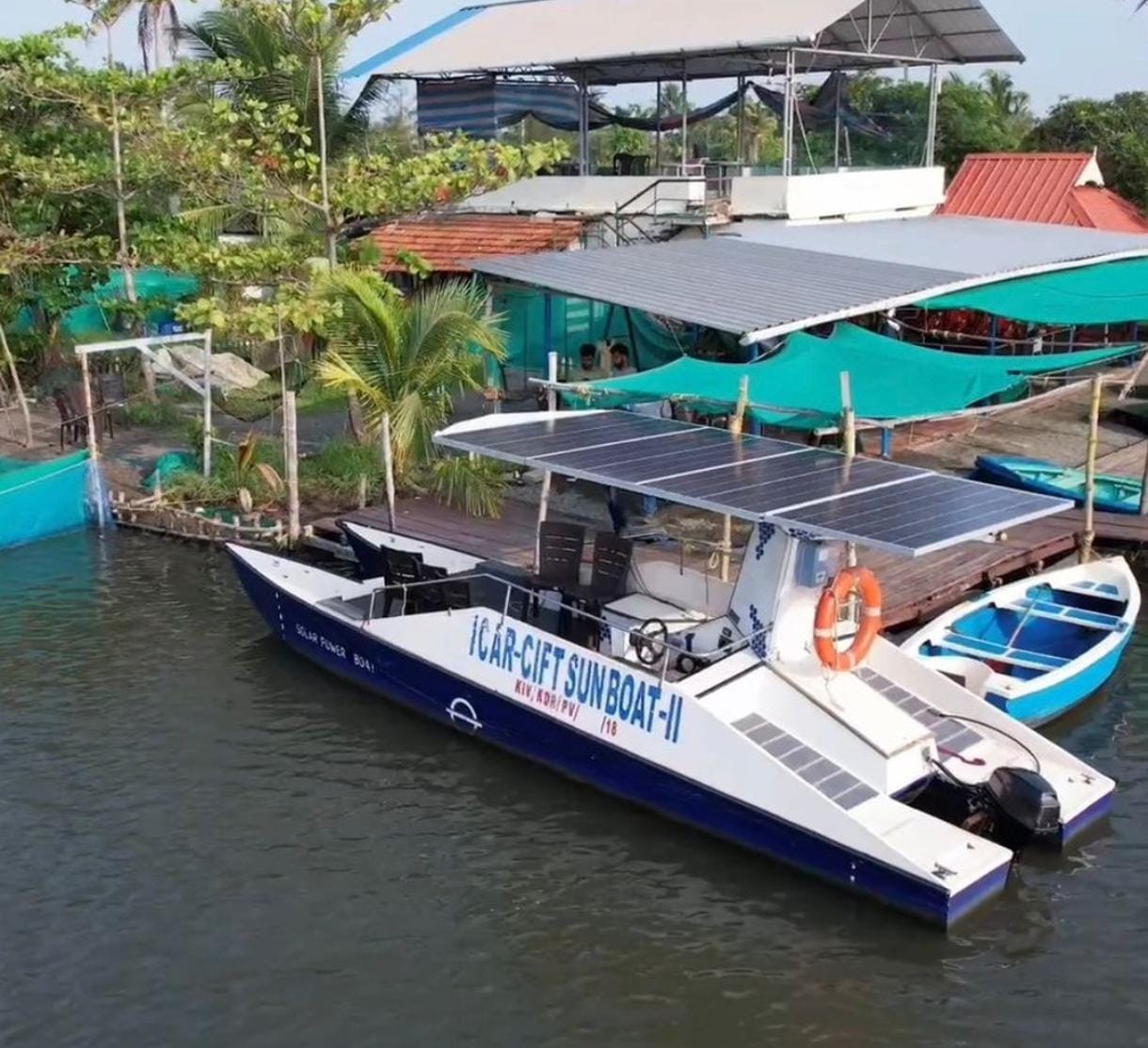
What's Included
Replace diesel or petrol propulsion with clean, quiet electric power, engineered for your vessel. Many working and passenger vessels have years of service left in the hull while the engine, noise and fuel handling hold them back. We look at how your vessel actually operates, then design the motor, battery, electrical system and charging to match — and we tell you plainly if a vessel or route is not a good fit. Running costs depend on your fuel, electricity price, route and duty cycle, so we estimate them from your own data rather than quoting a standard saving.
Motor selection and sizing for your vessel's speed, load and duty cycle, using electric outboards, inboard motors or pod drives as the vessel requires.
Marine battery and BESS selection and sizing, with Battery Management System integration, matched to your route and operating hours.
Battery-electric, solar-assisted or hybrid arrangements, with a generator or engine as backup where a route demands it.
Cabling, protection, power distribution, throttle and monitoring interfaces designed as one safe, coordinated system.
Shore or jetty charging designed around your berth, your schedule and the charging power your site can supply.
Electrical and mechanical design, including layout, weight and stability review, for a clean installation.
Harbour and water trials, handover and support after the vessel returns to service.
Electric propulsion retrofit
No engine exhaust on the water during electric operation. Emissions over the full life cycle depend on how the charging electricity is generated.
Less noise and vibration for passengers, crew and the waterway around you.
Less fuel storage, refuelling and spill risk to manage.
An electric motor replaces the engine and its fuel and exhaust systems. Routine care is still needed for the motor, drive, battery and cooling.
Retrofit lets you upgrade a proven vessel instead of replacing it.
Fuel, electricity price, route and duty cycle all matter, so we estimate them from your own data rather than quoting a standard saving.
Our Process
Hull and dimensions, current propulsion, route, speed, daily hours and berth facilities.
We calculate the power and battery capacity your operation needs and agree the configuration with you.
Single-line diagram, equipment layout, weight and stability review, and a plan for required approvals.
Motor, battery, controls and charging equipment selected to the design.
Removal of the old propulsion and installation of the new system in a coordinated sequence.
System checks, then harbour and water trials, to confirm the vessel performs as designed.
Operator briefing and support after the vessel returns to service.
Where It Fits
Not every vessel has the same energy demand, so the system is designed from your vessel’s data, not from a fixed package. Small boats, fishing vessels, tourism and leisure craft can use compact systems. Passenger boats, ferries, barges and workboats call for larger battery capacity, modular packs or hybrid arrangements. Our feasibility assessment shows what is practical for your vessel before you commit.
Larger battery capacity, modular packs or hybrid arrangements, sized from your vessel's data.
Compact systems for quiet, exhaust-free operation on the water.
Compact systems sized to your route and daily operating hours.
Larger battery capacity, modular packs or hybrid arrangements where duty demands it.
A system designed from your vessel's data, not a fixed package.
We design the whole propulsion system, not just supply a motor.
We tell you what is feasible, including when a vessel or route is not suited to battery-only operation.
Fewer interfaces and clearer responsibility.
Across vessel sizes, from small boats to larger passenger and work vessels.
Questions
Often, but it depends on the hull, how you operate, and the space and weight available for batteries. A feasibility assessment answers this before you commit to anything.
Vessel type and dimensions, current engine and propulsion details, route and typical daily operation, required speed, passenger or load capacity, and the power available where the vessel berths.
Speed and range depend on the motor, battery capacity and how the vessel is used. We size the system to your required operation and tell you honestly where the limits are, rather than quoting figures without your data.
It depends on the vessel. The retrofit may replace the engine and keep the existing shaft and propeller, replace an outboard with an electric outboard, or use a new drive. We recommend the approach after the assessment.
Typically from shore or jetty charging, with charging power and timing matched to your schedule. Solar can supplement charging where it suits the vessel and route.
A hybrid arrangement, with batteries plus a generator or engine as backup, can extend range. We compare the options with you.
Vessels often need approval from the relevant class society, registry or authority after a propulsion change. We plan for this in the design stage, and the requirements depend on your vessel and operation.
It depends on the vessel and system size. Your proposal includes a programme.
Cost depends on motor power, battery capacity and installation work. Savings depend on your fuel and electricity costs and how much the vessel runs. We estimate both from your own operating data.
Get in Touch
Tell us a little about your site, vessel or project and our team will get back to you with next steps.