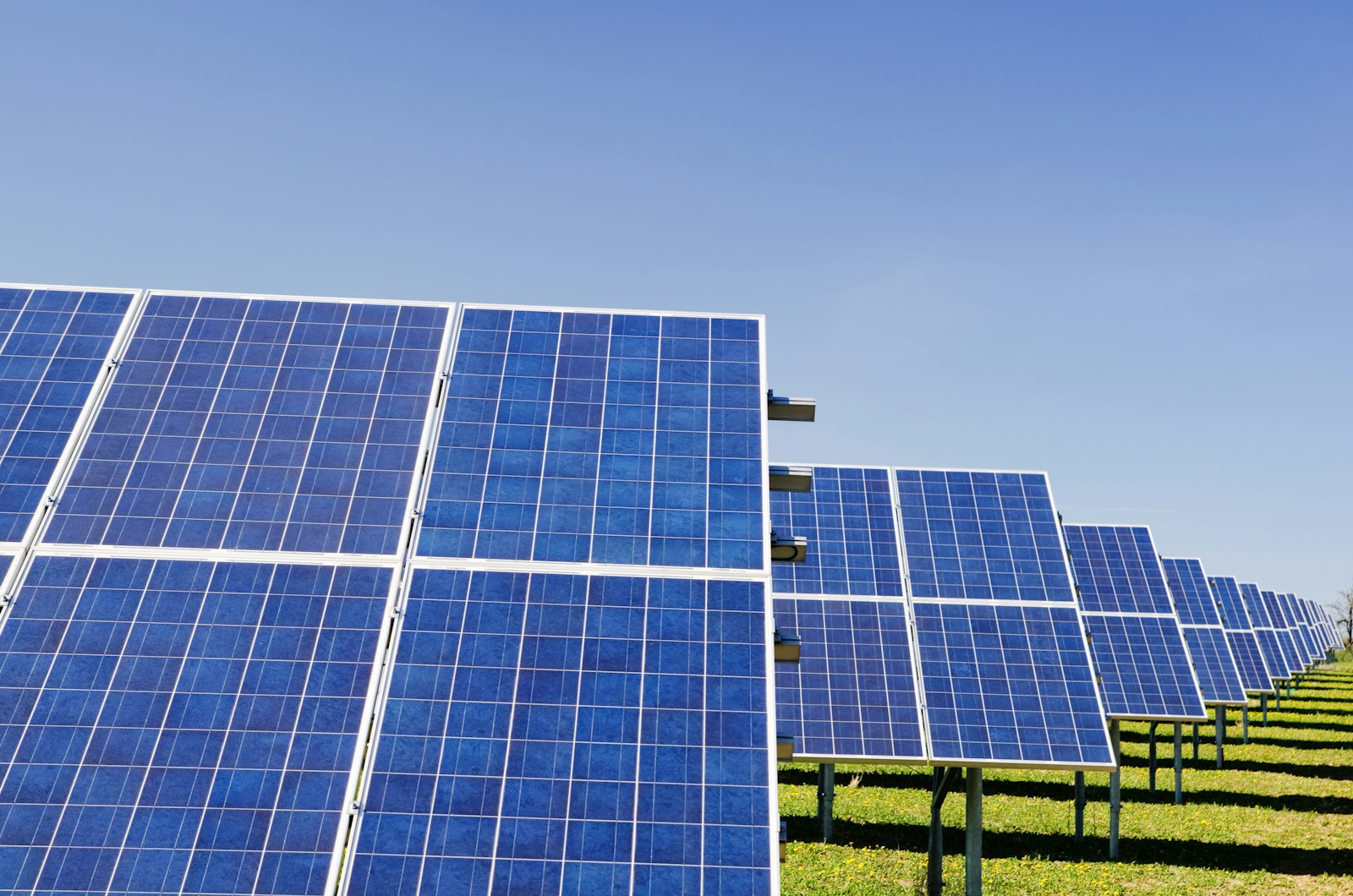
Grid Tie Solar
Your site. Your solar. Connected.
Turn available roof or land into generation that serves your daytime demand. Keep the utility connection for the hours when solar is not enough.
Design for the energy you actually use.
A grid-connected solar system works alongside your existing supply. The strongest design starts with when your building consumes electricity—not simply how many panels fit on the roof. Load patterns, shading and your utility’s export rules shape the system together.
Generation. Demand. Engineering.Commercial rooftops
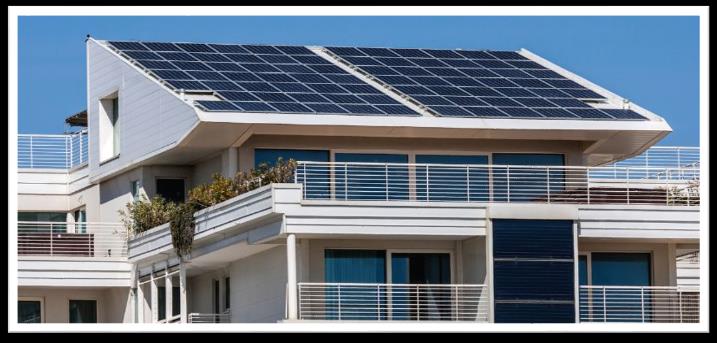
Offices, retail and hospitality sites with regular daytime electrical demand.
Industrial facilities
Production loads, usable roof area and the existing transformer assessed as one electrical system.
Homes & institutions
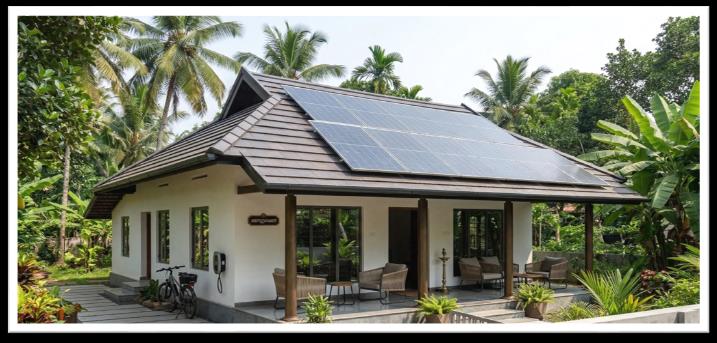
Rooftops and carports evaluated against consumption, structure and local connection requirements.
How a grid-tie system works.
A grid-tie system runs in parallel with the utility grid and has no battery storage. It generally has the lowest cost and is the simplest to install, suiting sites with a reliable grid where the goal is cutting electricity bills.
| Connection to utility grid | Runs in parallel with the grid |
|---|---|
| Battery storage | No |
| Main components | Solar panels, grid-tie inverter, net meter |
| Surplus solar energy | Exported to the grid under applicable net-metering rules |
| During a grid outage | Stops supplying power; no backup |
| When the sun is not available | Grid supplies the load |
| Typical fit | Reliable grid, goal of cutting electricity bills |
| Cost and complexity | Generally the lowest cost and simplest to install |
01Will a grid-tie system power my building during a power cut?
No. Grid-tie inverters shut down when the grid is down, for safety. If you need power during outages, a hybrid system with batteries is the right option.
02What is net metering and how does it help?
Net metering records the surplus power you export to the grid and credits it against the power you draw from it, reducing your bill. Eligibility and credit terms are set by your utility and regulator.
03Can I start with grid-tie and add batteries later?
Sometimes. It depends on the inverter and design chosen at the start, so tell us at the survey stage if you may want backup power later.
How the system works.
Different conditions. A defined response.
Explore the operating strategy.
Solar meets the load first.
While sunlight is available, the inverter converts the array’s DC output into AC for the site. The grid supplies the difference whenever demand exceeds solar production.
Roof area is only the beginning.
We assess the physical site and the electrical connection before settling on array size or inverter architecture.
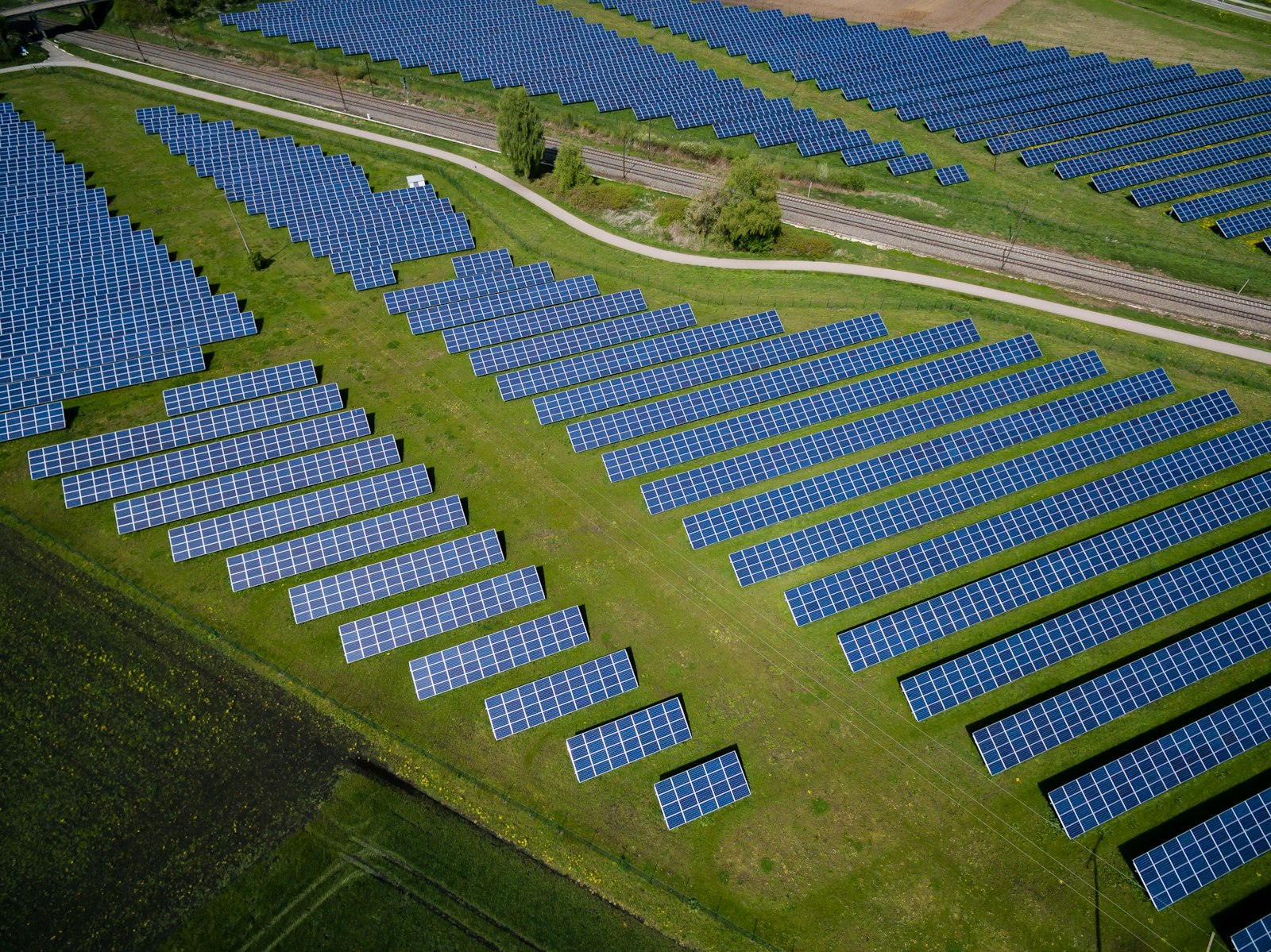
A lower bill is an outcome to assess—not a fixed percentage to promise. Export economics and site demand matter as much as panel capacity.
Consumption & tariff
Bills and interval data reveal daytime usage, demand peaks and the value of self-consumption versus export.
Structure & shading
Roof loading, waterproofing, access routes, shading and orientation inform mounting and array layout.
Connection & protection
Supply capacity, metering, inverter settings, earthing and utility requirements define the connection design.
Yield & maintenance
An energy-yield assessment considers weather, temperature and system losses. Cleaning access and monitoring are designed in.
Engineering that carries through.
A clear path from the first site inputs to a system your team can operate.
Assess the site
Consumption review, shading assessment and structural and electrical site inputs.
Engineer the connection
Array layout, single-line design and utility application support appropriate to the location.
Build & verify
Installation checks, protection testing and commissioning against the agreed design.
Handover with visibility
As-built information, monitoring configuration and an operating and maintenance plan.
Engineering, on site.
The questions that matter.
A useful system proposal starts with the right information.
01Is grid-tie solar the same as net metering?
No. Grid tie describes the electrical connection. Net metering is one possible billing arrangement for exported electricity. Availability, eligible capacity and settlement terms are set by the local utility and regulator.
02Will it power my building in a blackout?
A conventional grid-tie system will not. Anti-islanding protection shuts it down when the utility supply fails. Backup requires storage, suitable inverter controls and safe isolation from the grid.
03Can a system operate without exporting?
An export-limited arrangement may be possible using compatible metering and inverter controls. Its suitability, approval requirements and effect on unused generation must be assessed for your connection.
04What should I share for a feasibility review?
Recent electricity bills, site location, available roof or land information, supply details and—if available—interval consumption data. Tell us about planned load changes and any backup requirement.