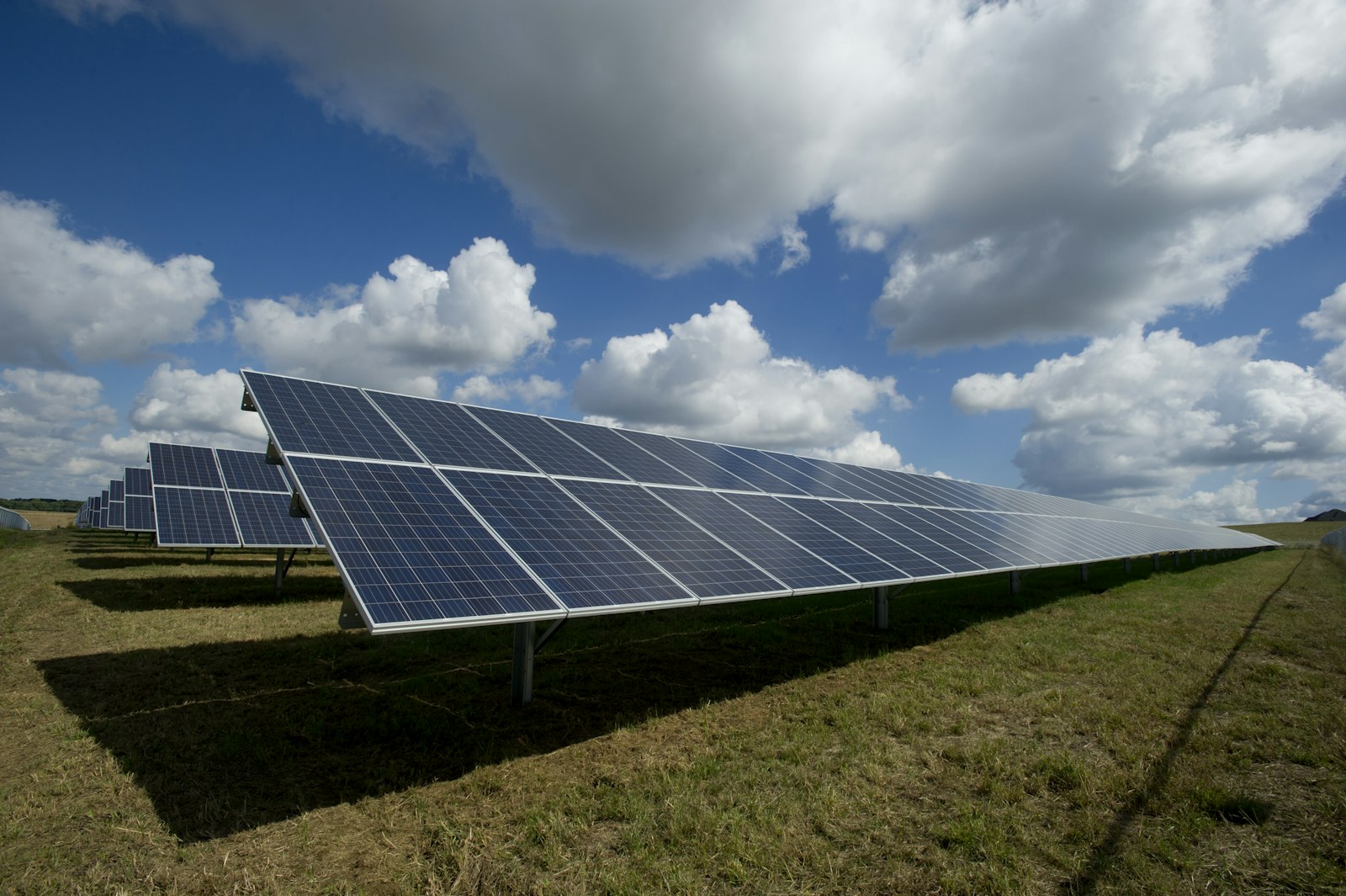
Off Grid Solar
Power beyond the grid.
Solar, storage and a local power supply designed around the way a remote site operates—even when there is no utility connection to fall back on.
Independence needs an energy plan.
An off-grid system must produce, store and deliver the energy its site needs. The design balances daily consumption with seasonal solar availability, battery reserve and the consequences of running short. Essential and deferrable loads should be agreed before equipment is selected.
Generation. Demand. Engineering.Remote buildings
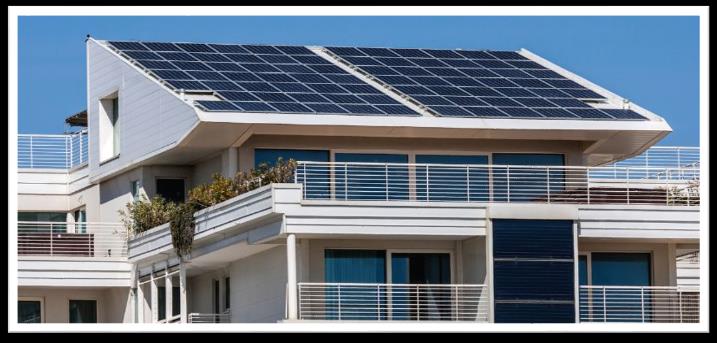
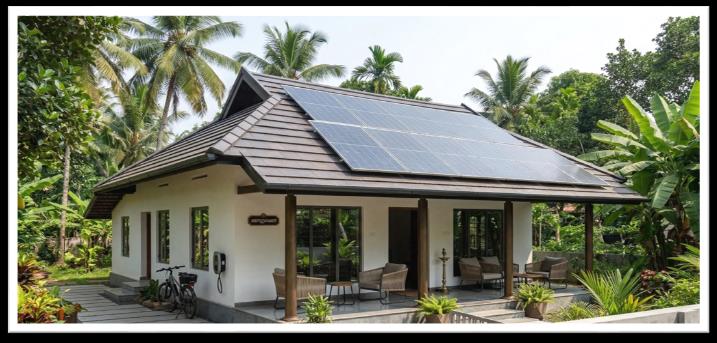
Homes and field facilities where extending a utility connection is impractical.
Hospitality & island sites
Guest and operational loads planned against occupancy, weather and fuel logistics.
Telecom & monitoring
Unattended equipment with defined continuous loads and a clear service-access strategy.
How a off-grid system works.
An off-grid system is independent of the utility grid and stores energy in a battery bank. It suits sites with no grid, or a grid too weak to rely on.
| Connection to utility grid | Independent of the grid |
|---|---|
| Battery storage | Yes |
| Main components | Solar panels, bidirectional inverter, MPPT charge controller, batteries |
| Surplus solar energy | Charges the battery bank |
| During a grid outage | Keeps supplying loads, within the limits of array and battery sizing |
| When the sun is not available | Battery supplies the load; an optional generator can support when the battery is discharged |
| Typical fit | No grid, or a grid too weak to rely on |
| Cost and complexity | Batteries add cost and maintenance |
01Do I need batteries?
Not for grid-tie. Hybrid and off-grid systems use a battery bank, which adds cost and maintenance but lets you use stored solar energy when the sun is not available.
How the system works.
Different conditions. A defined response.
Explore the operating strategy.
Serve demand. Rebuild the reserve.
Solar generation supplies current loads and charges the battery through the selected power-conversion arrangement. The array must support both tasks within the available solar window.
Size for the difficult days.
A dependable standalone design is built around energy balance, starting loads and a realistic low-sun operating strategy.
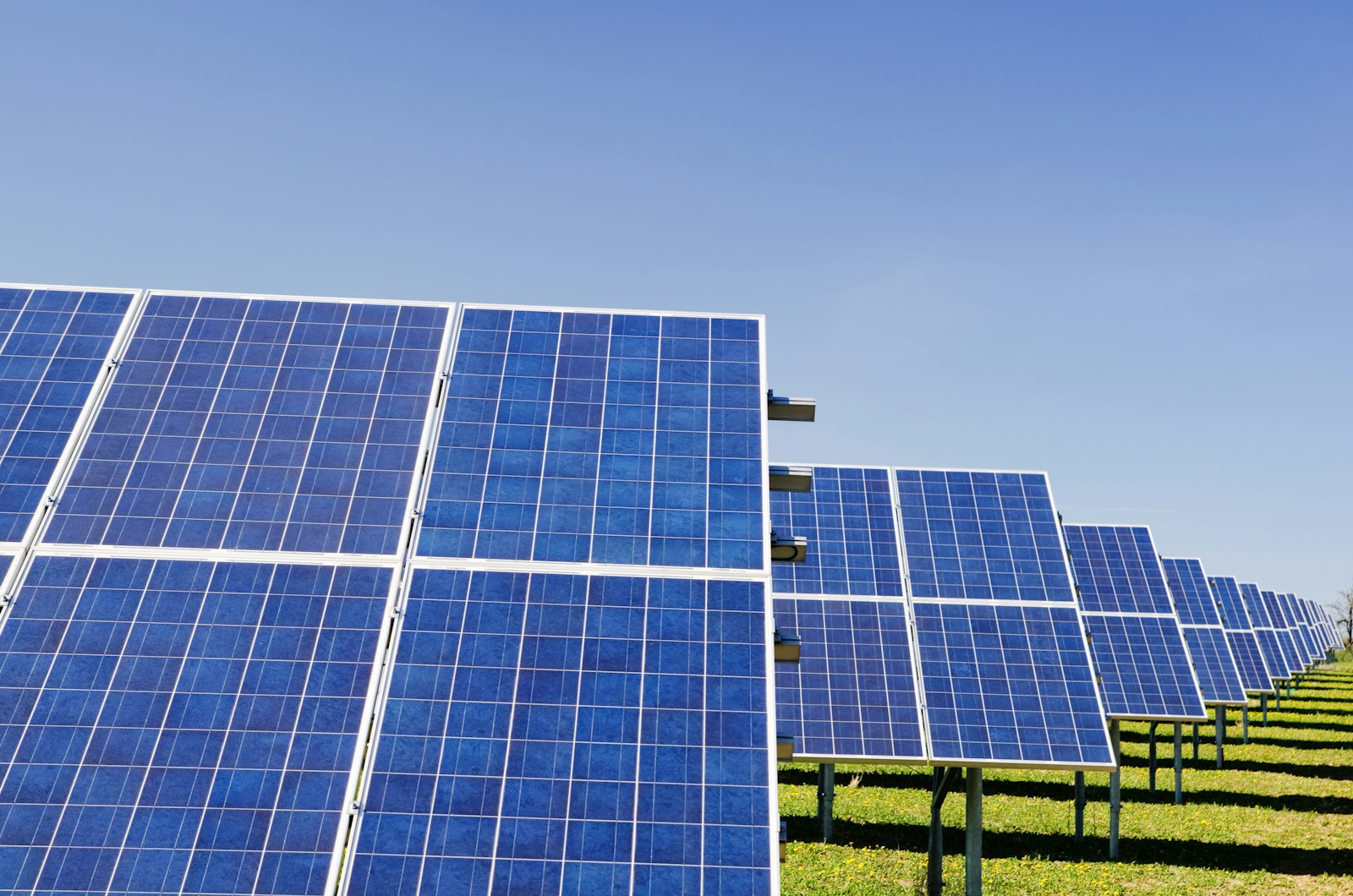
Off grid does not automatically mean generator free. Extended poor weather and high seasonal loads may justify a dispatchable backup source.
Daily energy budget
Inventory appliances, operating hours, seasonal usage and which loads can be deferred.
Peak & starting power
Pumps, compressors and motors can demand short power surges beyond their normal running load.
Usable storage & weather
Set autonomy using usable capacity, battery operating limits, losses and local seasonal solar conditions.
Safety & site access
Battery location, environmental protection, temperature management and maintenance logistics influence equipment selection.
Engineering that carries through.
A clear path from the first site inputs to a system your team can operate.
Define the loads
An appliance and operating-hours inventory, with essential loads and growth needs agreed.
Model the energy balance
PV and storage sizing against seasonal resource, autonomy and recovery requirements.
Integrate & test
Charging, inverter, battery protection and any generator controls checked together.
Prepare the operator
Monitoring, reserve settings, maintenance access and a low-energy response plan.
Engineering, on site.
The questions that matter.
A useful system proposal starts with the right information.
01How many days will the battery last?
Autonomy depends on the agreed load, usable battery capacity, losses and reserve settings. We define the low-sun scenario before sizing storage rather than applying a universal number of days.
02Can it run air conditioning, pumps or refrigeration?
Potentially, but these loads need explicit assessment. The inverter must handle running and starting power, while generation and storage must support their operating hours and seasonal usage.
03Is a backup generator always required?
No. The decision depends on solar variability, autonomy targets, site access and the cost or consequence of interrupted supply. A generator may be appropriate where extended low-sun periods cannot be covered economically with storage alone.
04How should I plan for future demand?
Share expected new equipment and usage changes early. Expansion depends on inverter capability, charging limits, battery compatibility and the physical and electrical space reserved in the original design.